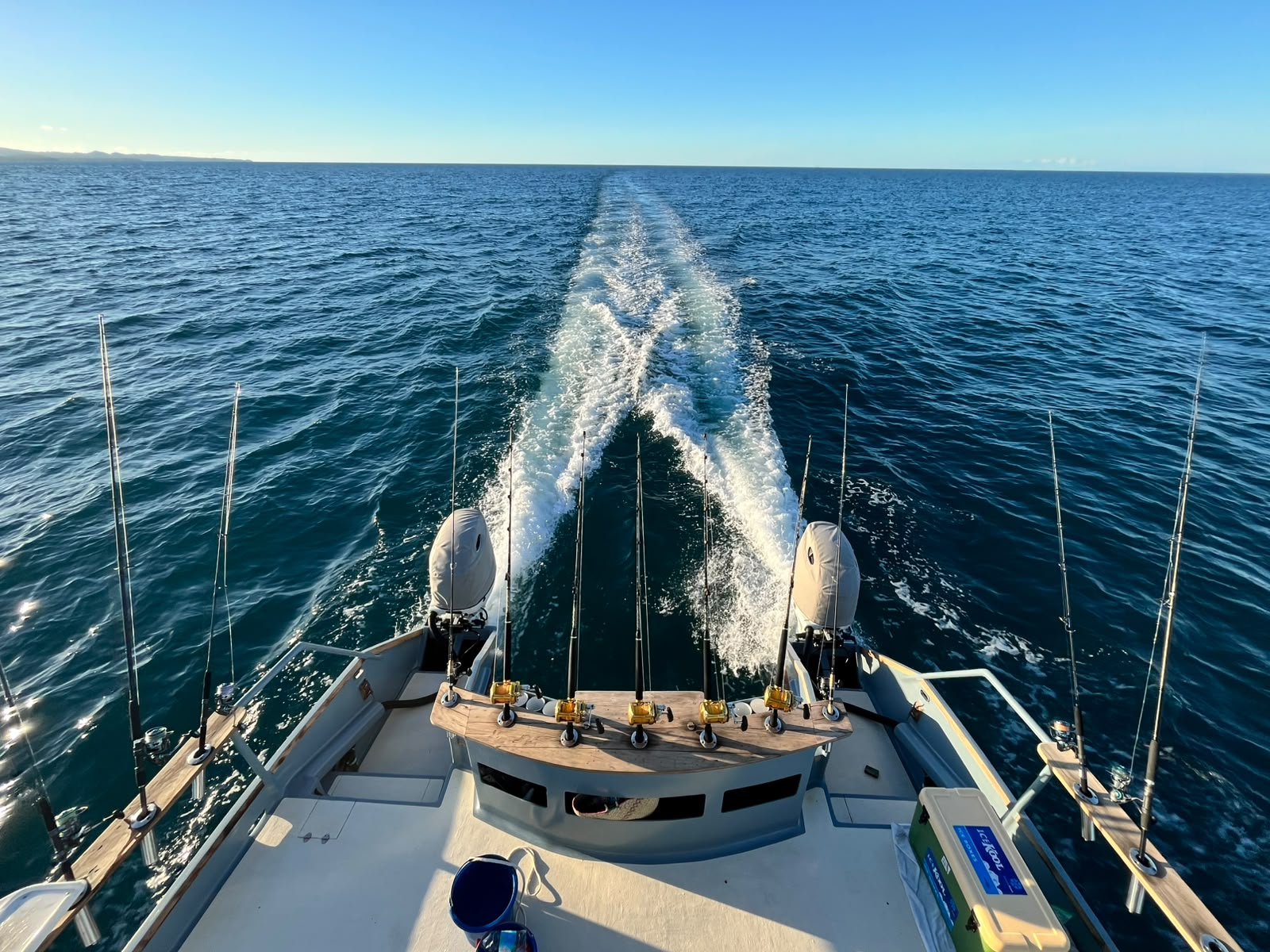
Big game
Big Game Fishing on Nosy Be — what the waters of northwest Madagascar hold
AAM Fishing
From mighty marlin and sailfish to yellowfin tuna and giant trevally — discover the exceptional world of sport fishing in the Indian Ocean.
Nosy Be — where a true fishing adventure begins
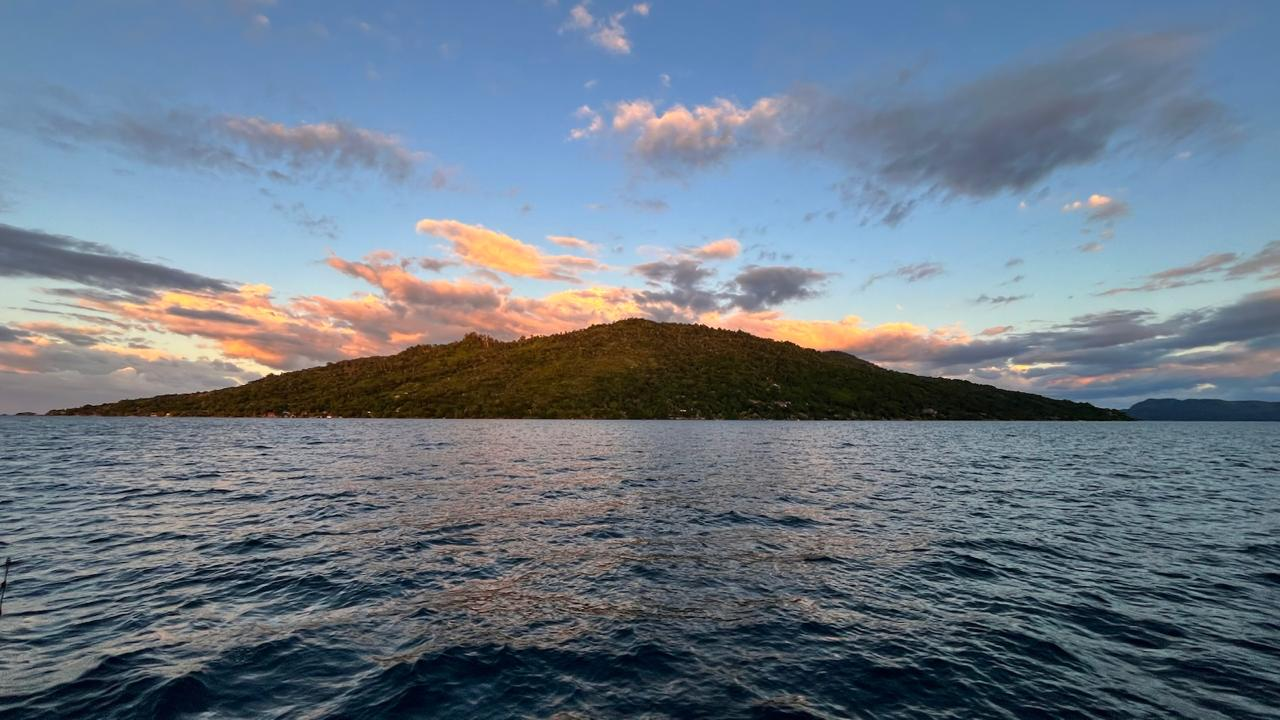
Picture an early morning on the Indian Ocean. The sun rises slowly over the islands of Madagascar, the sea is calm, and beneath the boat a completely different world waits in the depths. Suddenly the rod bends, the reel starts screaming line, and the fight begins.
Welcome to Nosy Be — one of the most compelling areas for Big Game Fishing in the Indian Ocean.
The northwest coast of Madagascar offers an exceptional mix of deep water, underwater plateaus, coral reefs, strong ocean currents, and rich feeding grounds. That diversity creates outstanding conditions for many species of large predatory fish.
What makes Nosy Be special is that on a single fishing trip you can combine the pursuit of big oceanic fish with more technical reef fishing.
Which big fish can we catch around Nosy Be?
Marlin — king of the deep ocean
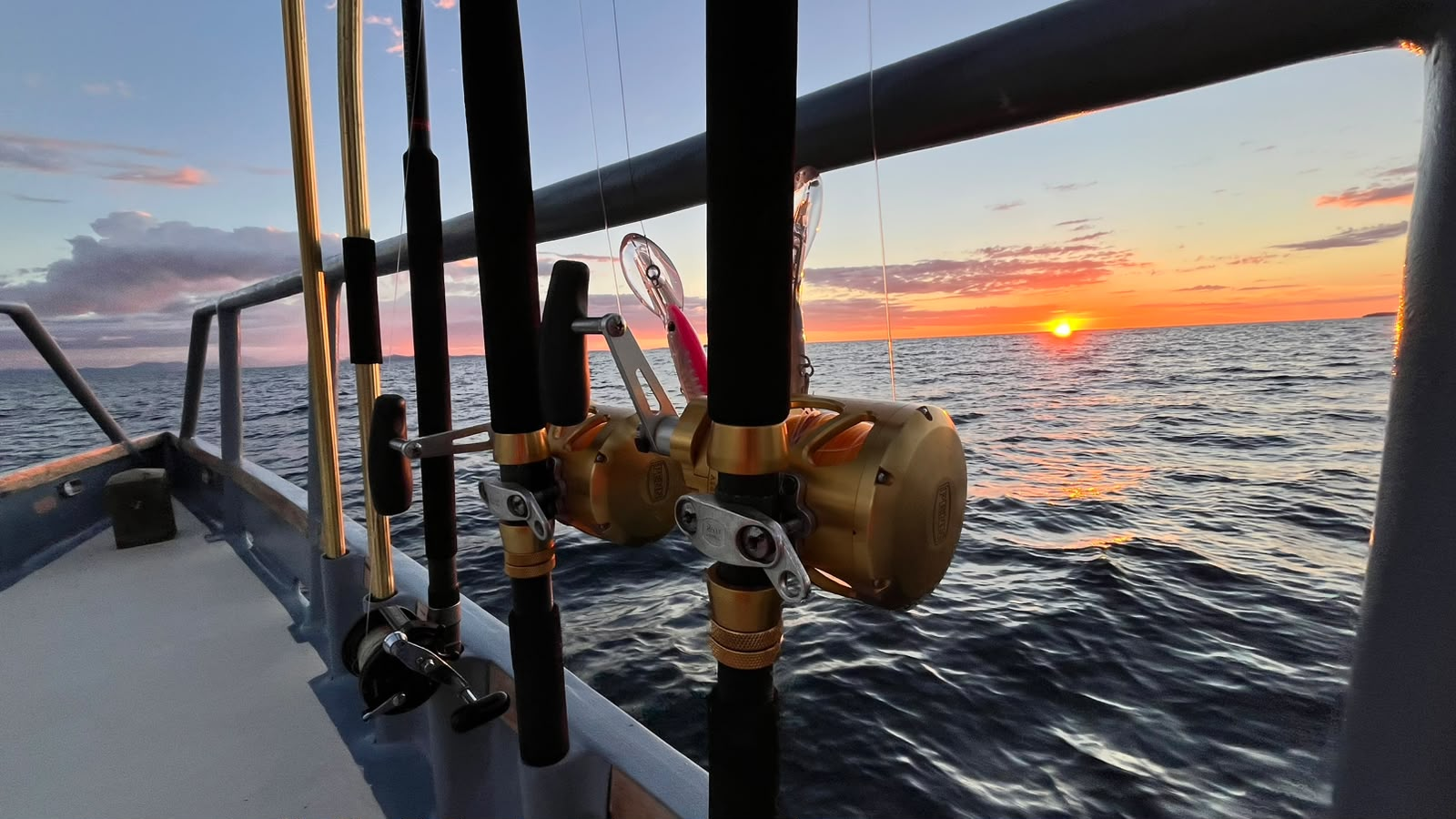
For many sport anglers, marlin is the ultimate challenge. In the waters of northwest Madagascar you mainly encounter black marlin (Black Marlin) and blue marlin (Blue Marlin).
These are exceptionally strong, fast, and enduring fish that can weigh several hundred kilograms. Marlin is known for long runs, sudden changes of direction, and spectacular leaps above the surface.
The most common method is trolling, in which the boat tows artificial or natural baits through areas where large pelagic fish hold.
A meeting with a marlin is never a daily guarantee. It is precisely that unpredictability — and the extraordinary power of the fish — that creates the experience that brings anglers back to Madagascar.
Sailfish — the fastest spectacle on the surface
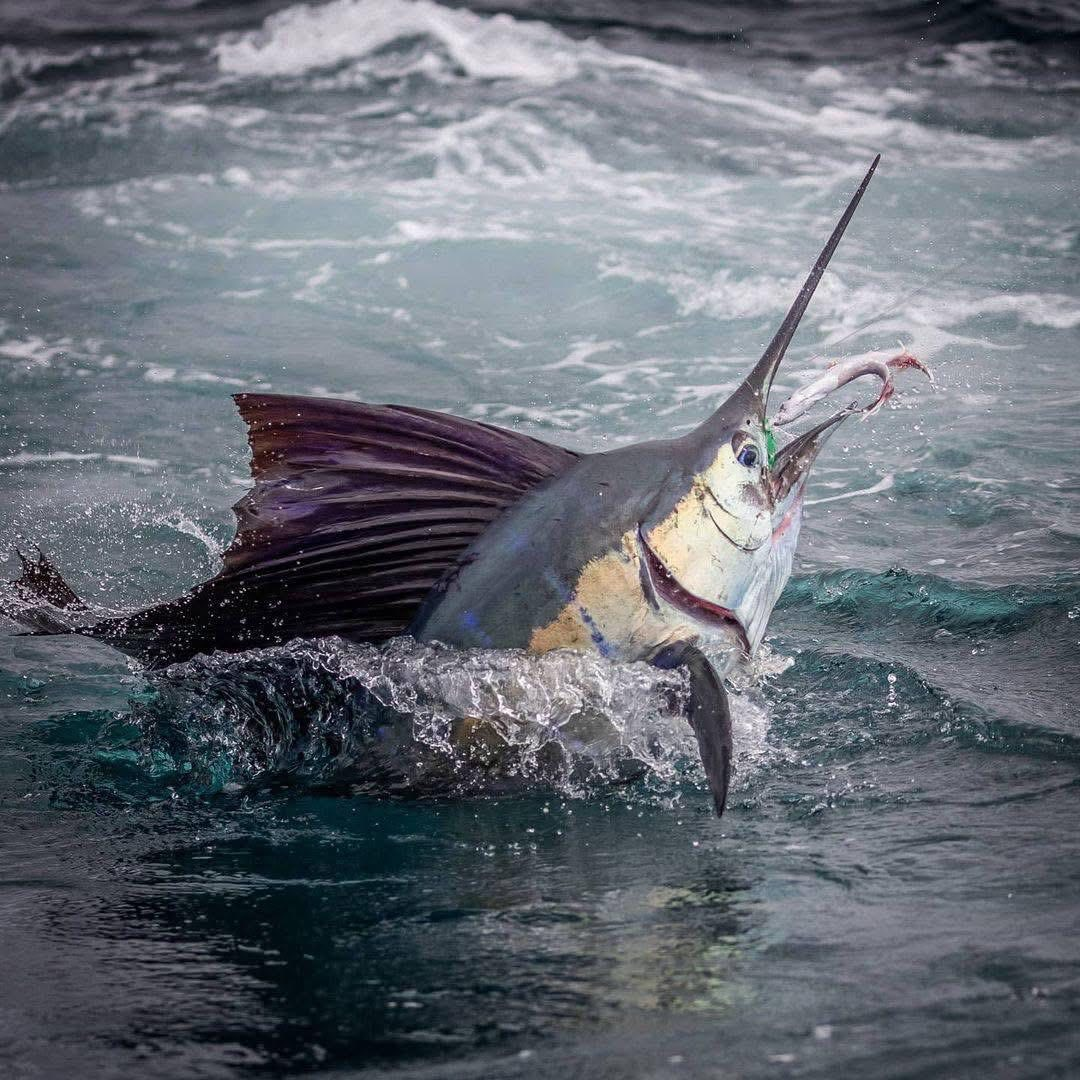
The sailfish is one of the most recognisable oceanic fish. Its large dorsal fin recalls a sail, and during the fight it can show incredible speed and agility.
Sailfish often attack schools of smaller baitfish, so their presence can also be read from activity on the surface.
For sport anglers they are an especially exciting target because of violent takes and frequent jumps clear of the water.
Yellowfin tuna — the yellow-finned powerhouse
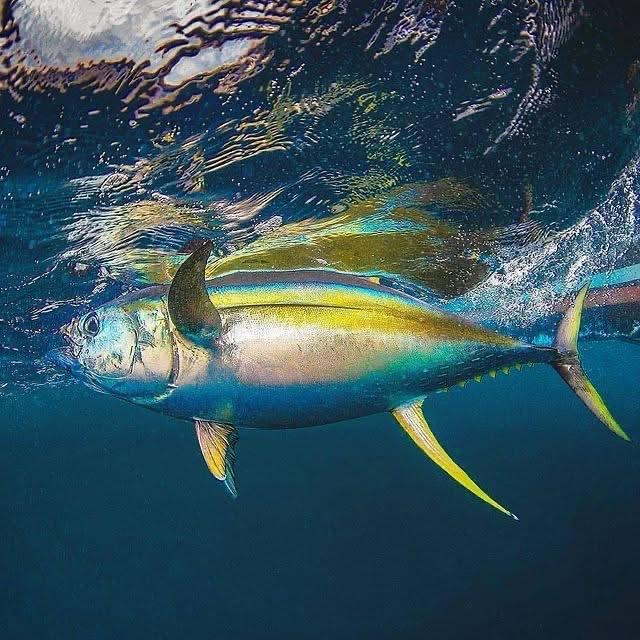
Yellowfin tuna (Thunnus albacares) is one of the most prized fish of the open ocean.
It is marked by yellow fins, an aerodynamic body, and remarkable muscular power. When it takes the bait, a long and physically demanding fight can follow.
Tuna can be caught by trolling, jigging, and casting artificial lures near schools feeding on the surface.
Their presence is often tied to ocean currents, temperature breaks, and concentrations of smaller baitfish.
Dogtooth tuna — power from the depths
Dogtooth tuna (Gymnosarda unicolor) is one of the most demanding fish for jigging enthusiasts.
Although it is called a tuna, it belongs to a different group from yellowfin. It is an exceptionally aggressive predator that often holds along deep reefs, underwater walls, and steep drop-offs.
After the take it often charges hard toward rocks and coral, so quick action from the angler is decisive.
Giant Trevally — GT, the legend of tropical fishing
Giant trevally (Giant Trevally, or GT) is one of the most popular fish among popping enthusiasts.
GT is known for an extraordinarily powerful attack on a surface lure. Sometimes it feels as if the water has literally exploded.
Anglers look for them mainly along coral reefs, rocky shorelines, and underwater structure where they ambush prey.
Fishing for GT demands quality tackle, strong rods, and solid physical fitness.
Wahoo — the lightning predator
Wahoo is a slender, extremely fast predatory fish that appears in open water and along the edges of underwater plateaus.
Its strikes are often sudden and very violent. Because of its speed it is a favourite target when trolling.
Mahi-mahi — the colourful hunter of the open ocean
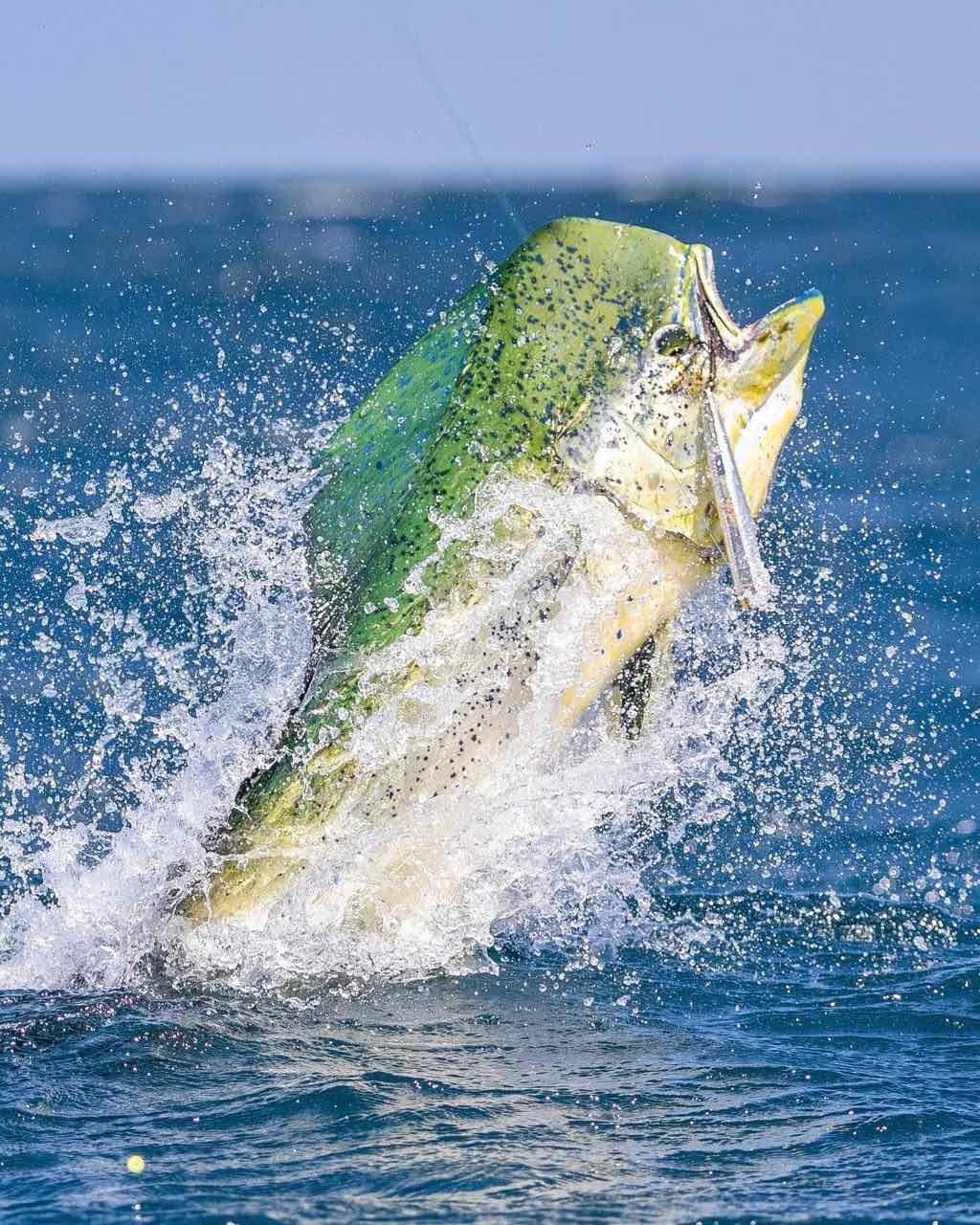
Mahi-mahi, also known as dorado or dolphin fish, is one of the most colourful tropical fish.
Its body shimmers in greens, blues, and golds. It is often found near floating objects, current lines, and areas rich in smaller baitfish.
Beyond its striking appearance it is known for acrobatic jumps and a lively fight.
Barracuda, king mackerel, and other species
The waters around Nosy Be offer far more than only the best-known big-game species.
Among frequent targets for sport anglers are also barracuda, king mackerel, various trevally, amberjack, groupers, and tropical snappers.
It is precisely because of that diversity that every fishing day can be different.
The most interesting fishing grounds
Nosy Be and the surrounding reefs
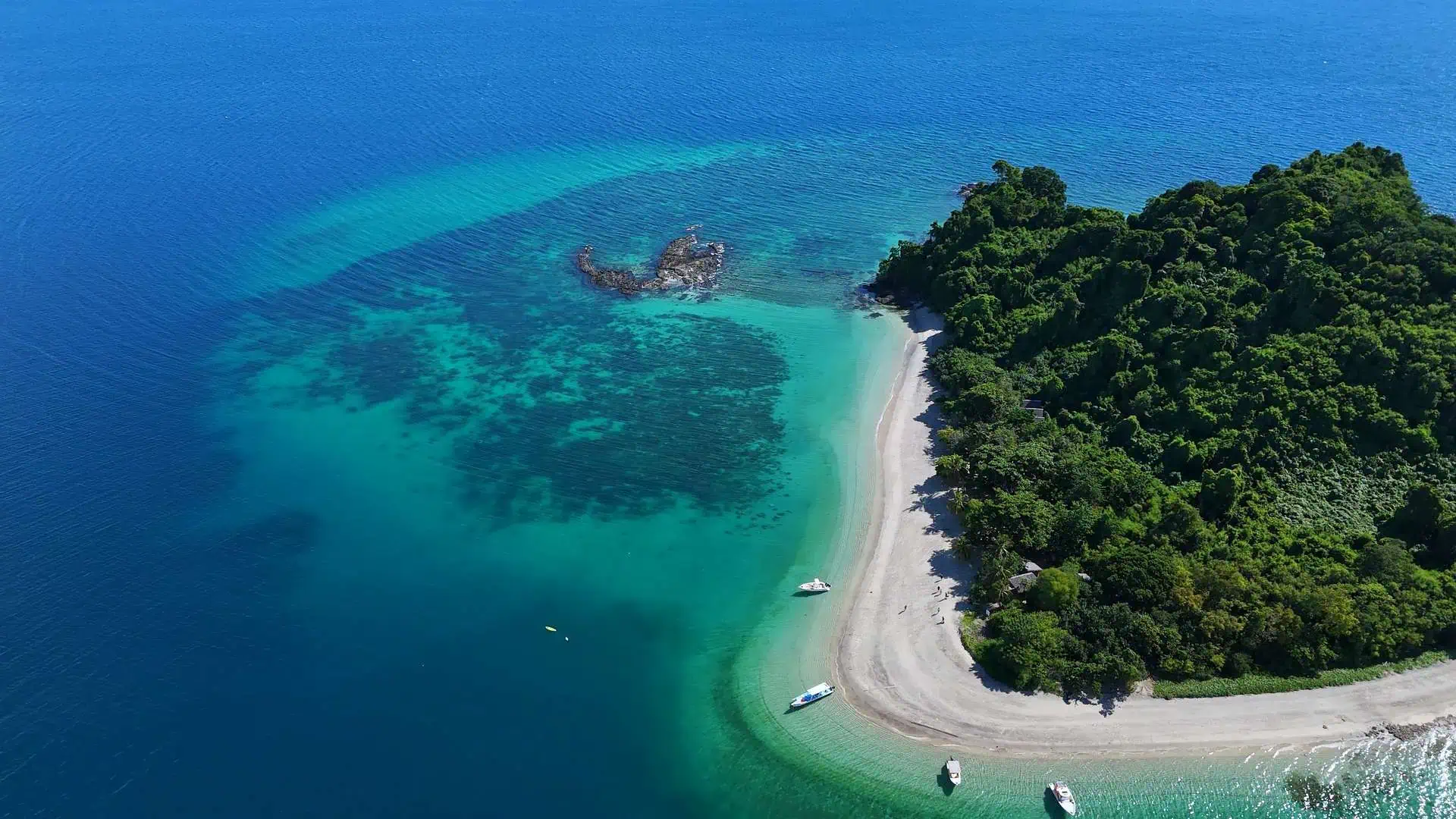
Nosy Be is an excellent base for shorter trips and full-day fishing expeditions.
The area combines coastal reefs, underwater structure, and access to deeper water in the Mozambique Channel.
Fishing can be adapted for beginners and experienced anglers alike, depending on weather conditions and the technique you want to fish.
The Mitsio Archipelago — the wild north
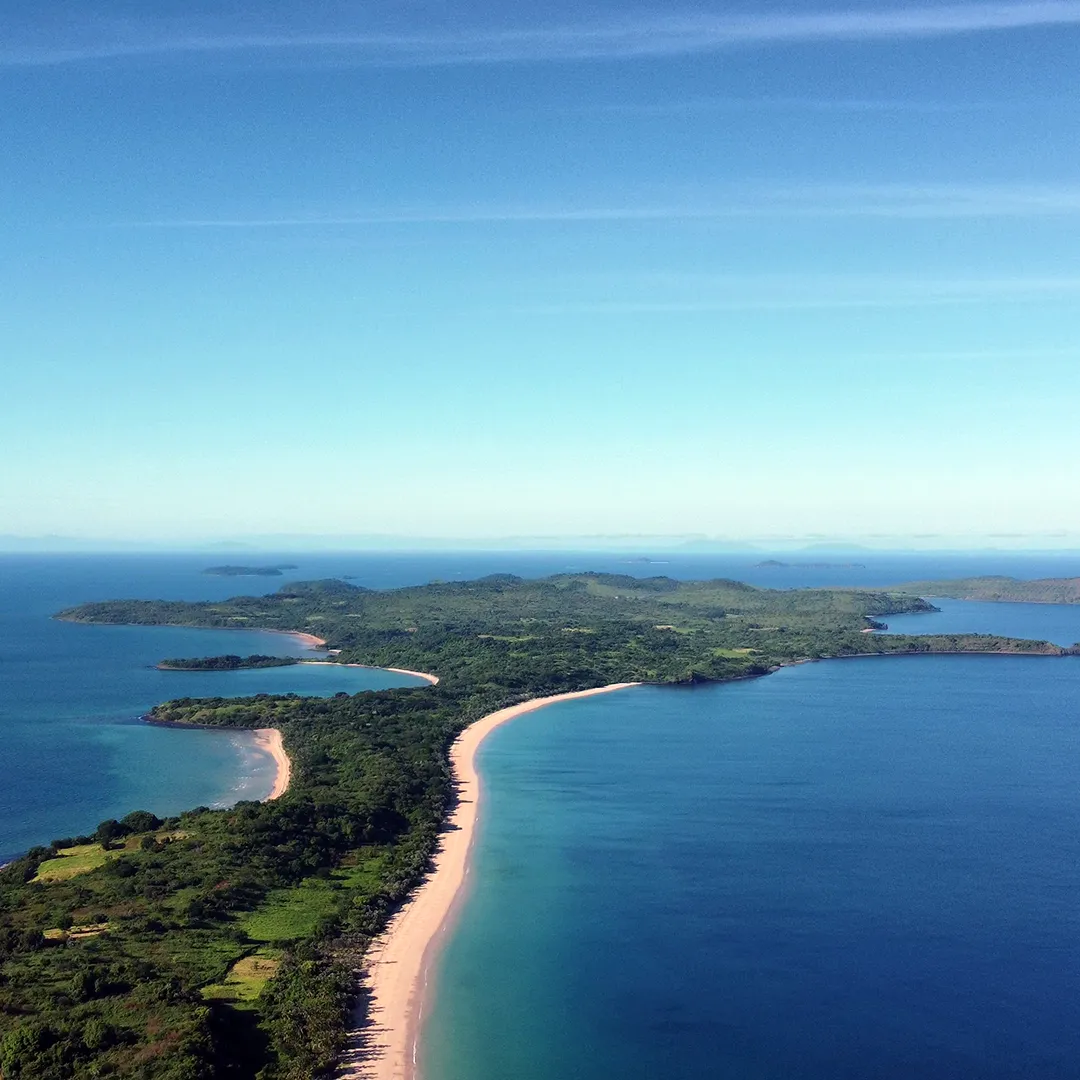
North of Nosy Be lies the Mitsio island group, known for volcanic islands, steep underwater walls, and rich marine life.
This is an especially interesting area for popping and jigging — above all for GT, dogtooth tuna, wahoo, and other large predators.
Distance from major tourist centres gives fishing around Mitsio the feel of a true expedition.
Leven Bank and Grand Castor Bank
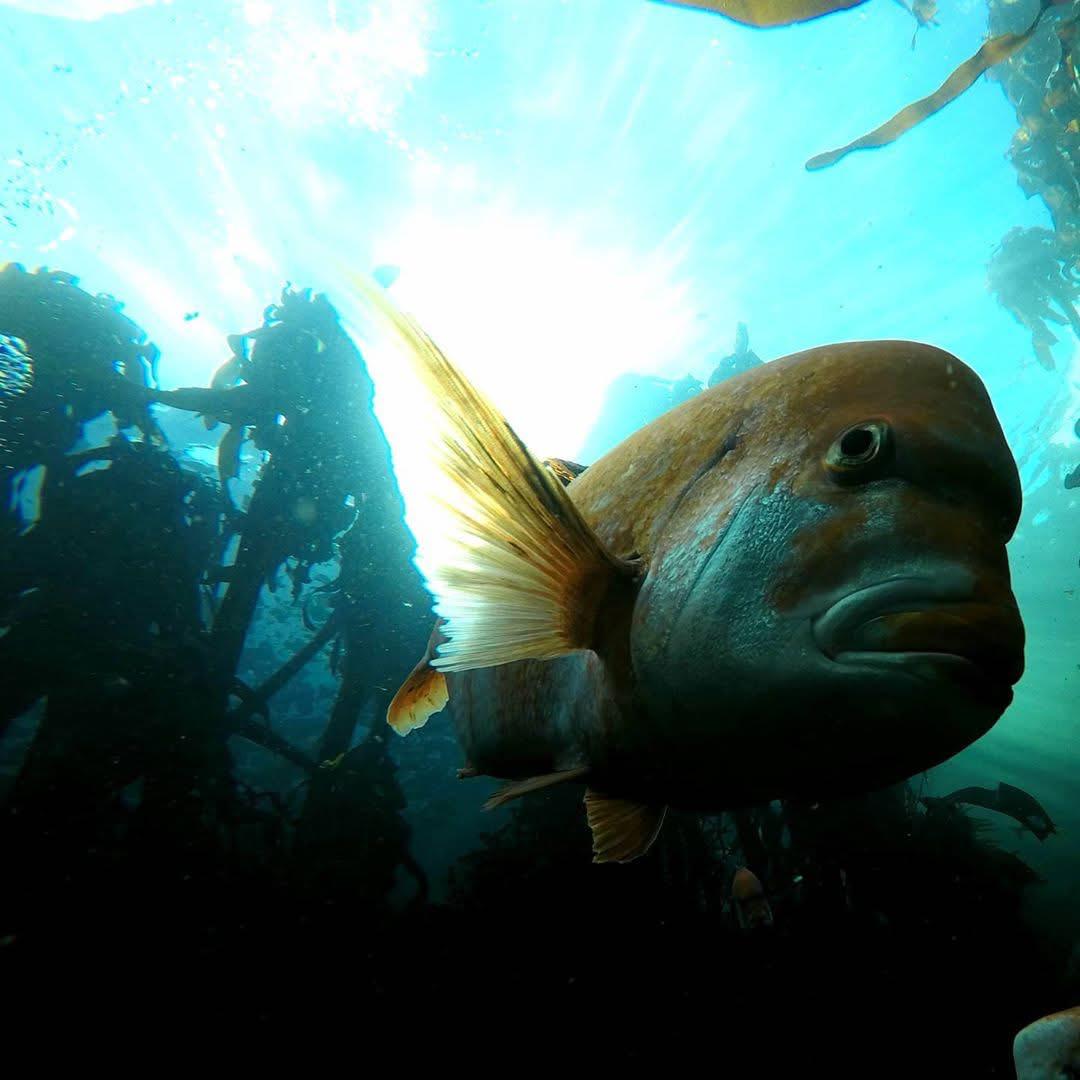
Offshore underwater plateaus rank among the most interesting grounds for more demanding sport fishing.
Leven Bank and Grand Castor Bank combine shallower underwater structure, deep edges, and strong currents.
That environment attracts many predatory fish, including large trevally, tuna, wahoo, and marlin.
Visiting these grounds requires a suitable vessel, an experienced crew, and careful planning around the weather.
Radama — fishing in more remote waters
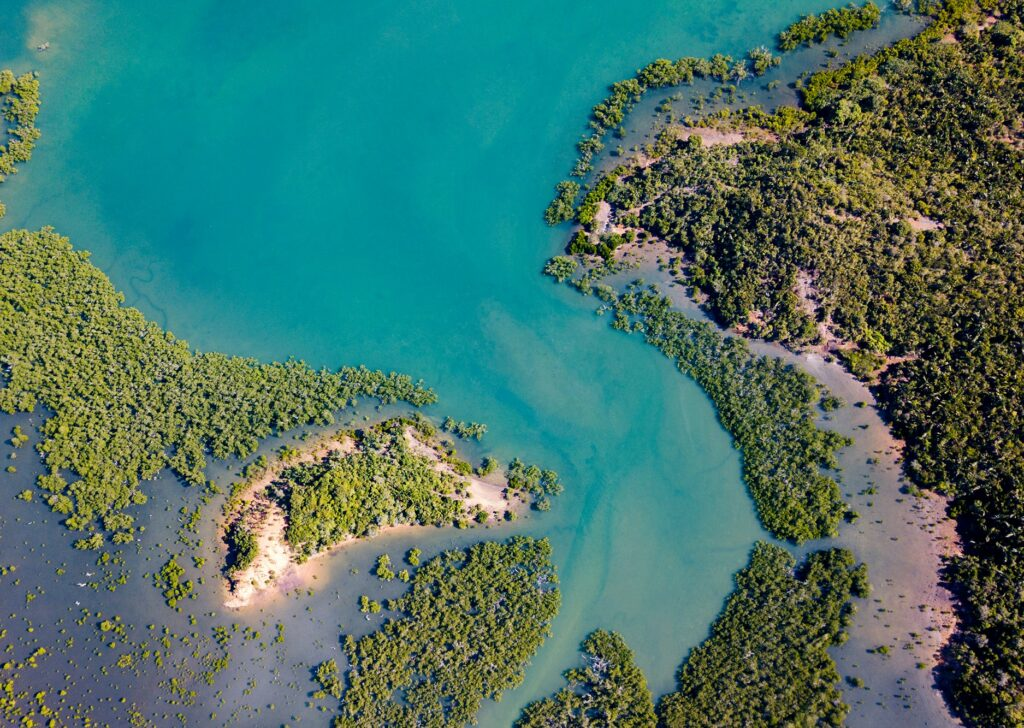
South of Nosy Be stretches the Radama archipelago, offering varied fishing grounds along reefs, underwater plateaus, and deeper water.
Because of its remoteness it is especially interesting for longer fishing expeditions and anglers who want to explore less-visited parts of Madagascar.
Which fishing techniques are most popular?
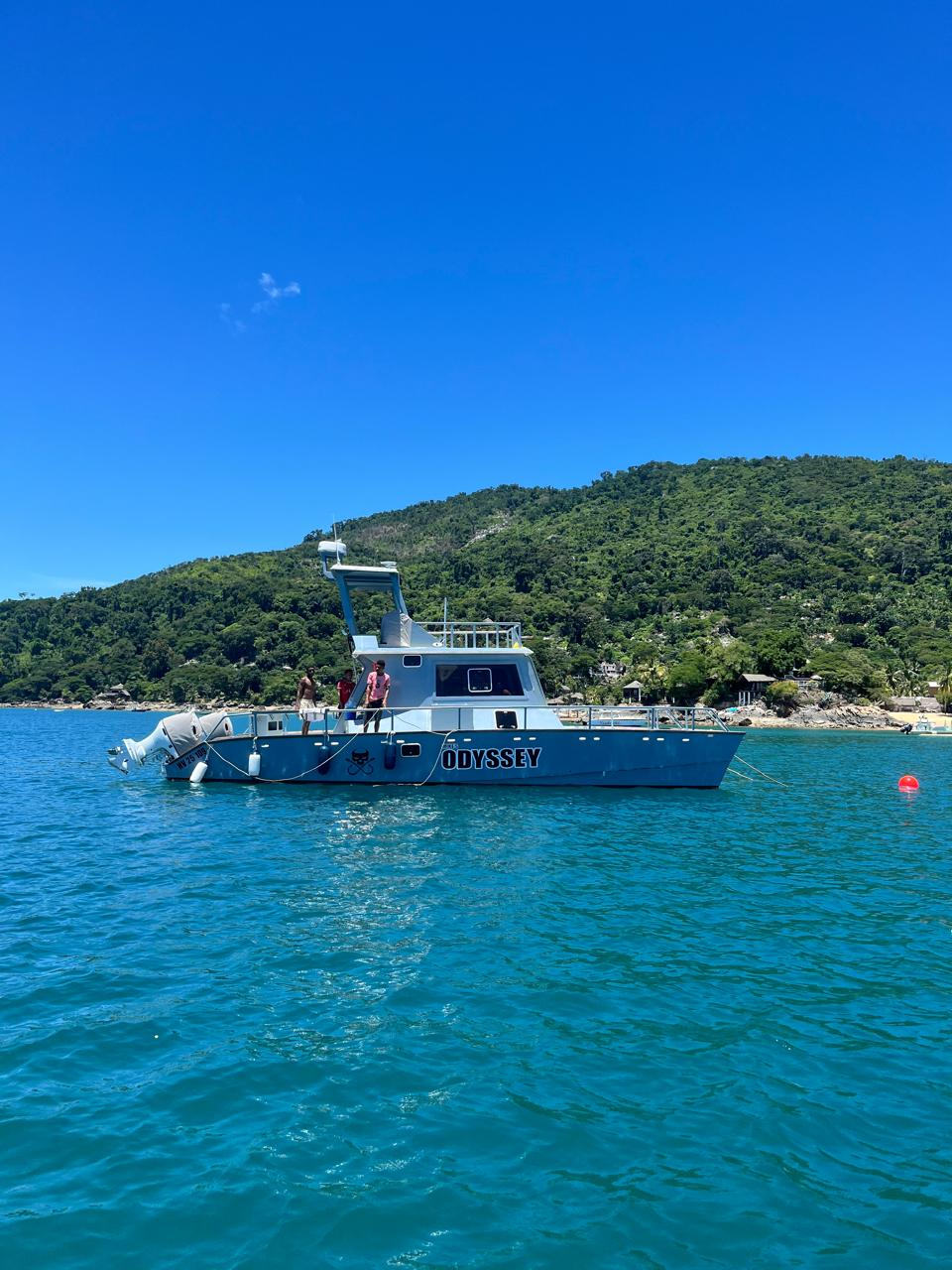
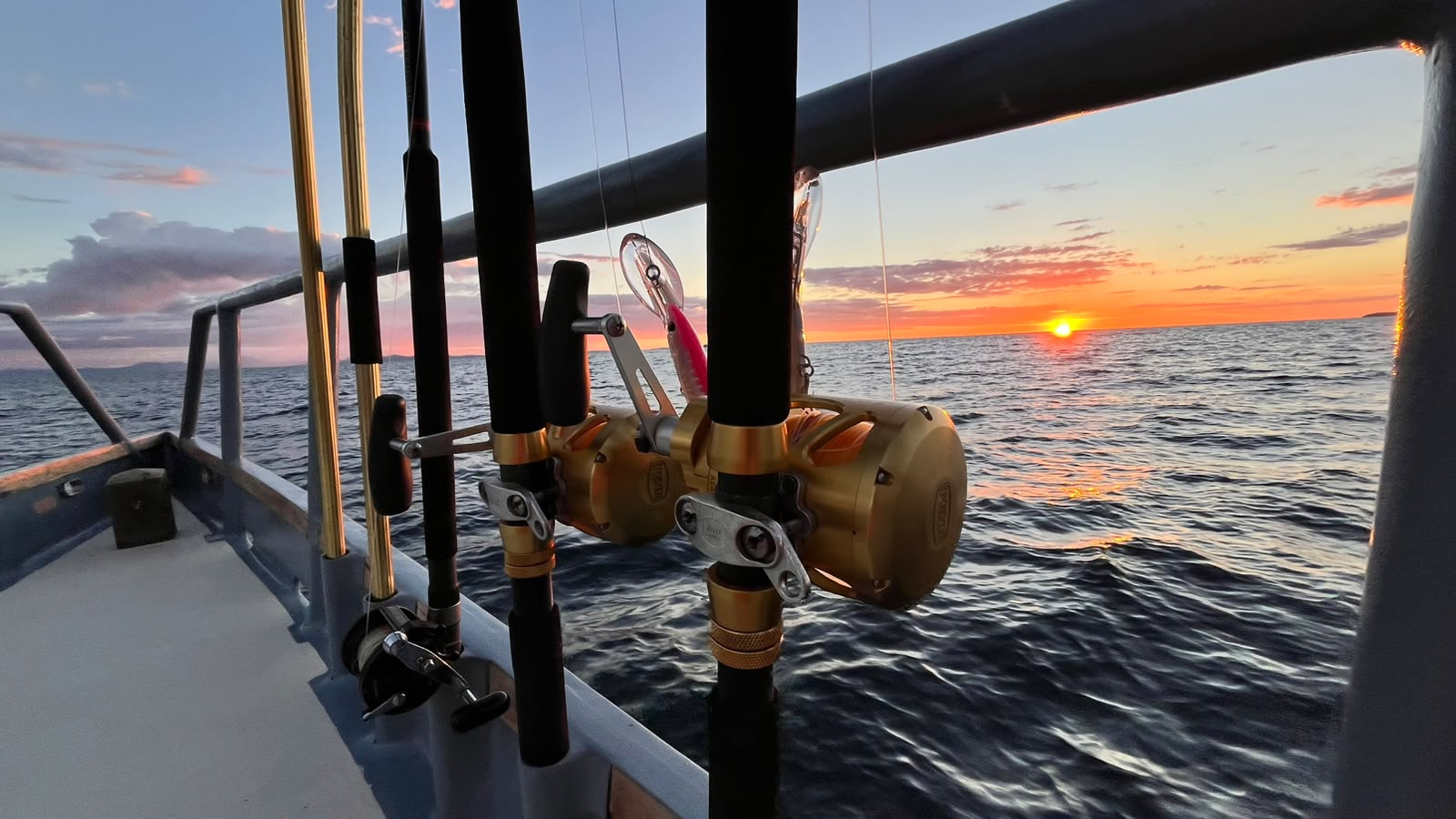
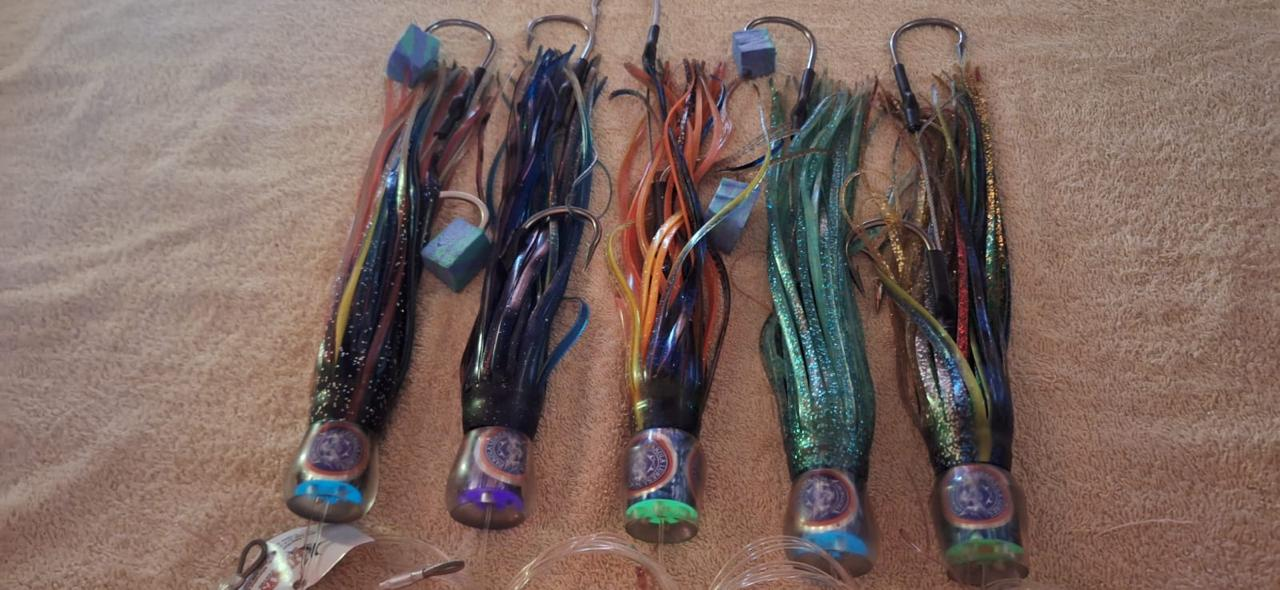
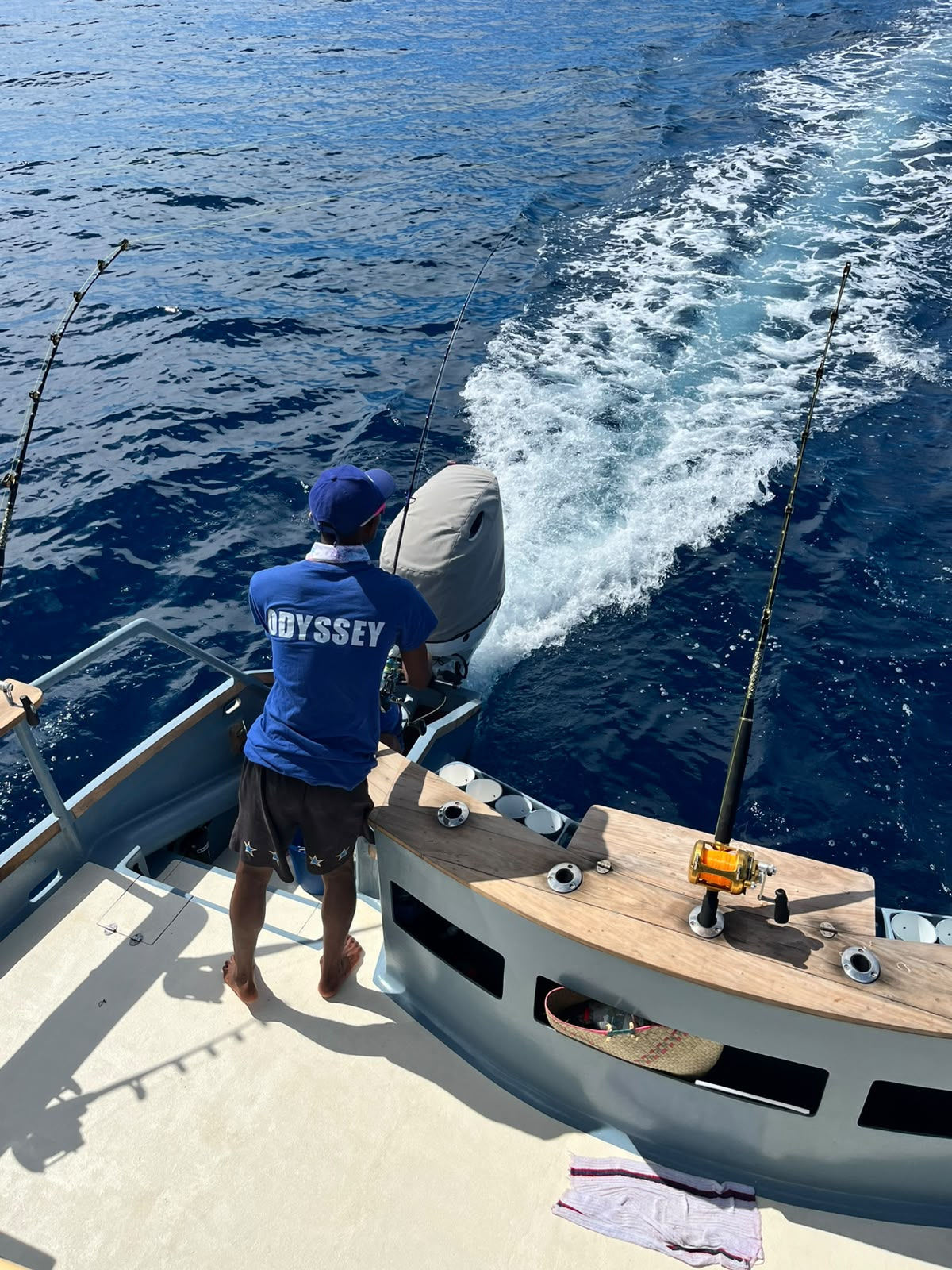
Trolling is the classic technique for marlin, sailfish, tuna, wahoo, and mahi-mahi. While underway, the boat tows baits at different distances and depths.
Popping is a dynamic surface technique with large artificial lures. It is especially popular for GT.
Jigging lets you fish deeper water by working heavier artificial lures vertically. It is often used for dogtooth tuna, amberjack, and other predators along the reefs.
Bottom fishing targets species that hold closer to the seabed, including groupers and snappers.
The choice of technique depends on location, weather, ocean currents, and how active the fish are.
When is the best time for Big Game Fishing on Nosy Be?
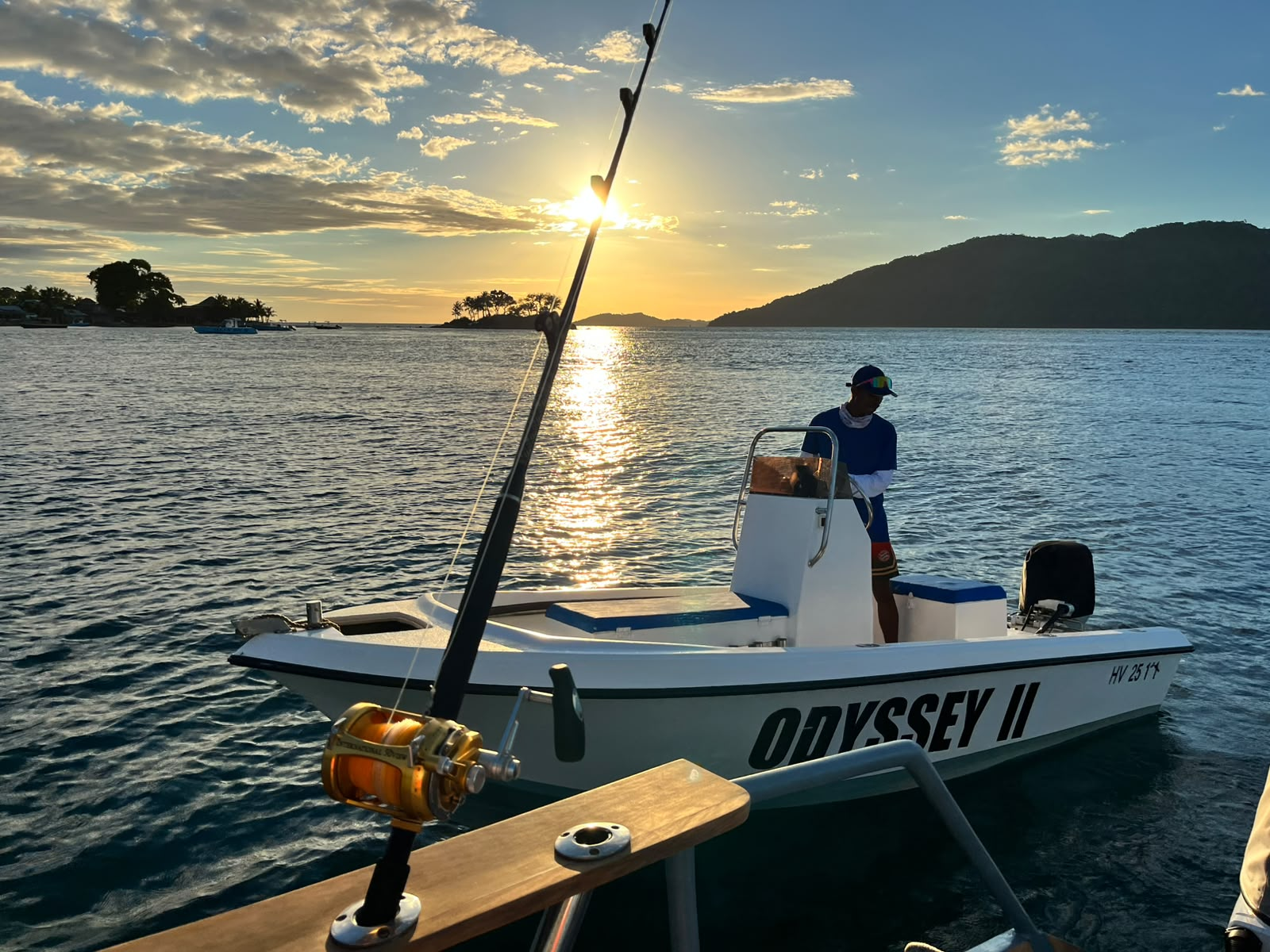
Sport fishing around Nosy Be is possible at various times of year, but conditions and the presence of individual species shift.
The period from April to November often offers more favourable conditions for running and offshore fishing.
Sailfish is especially interesting roughly from May to November, while yellowfin tuna can appear in greater numbers in the first half of the year. Marlin, GT, and other species each have their own seasonal windows, depending on the specific fishing ground.
From January to March, tropical storms, stronger winds, and cyclone conditions can limit days at sea.
It is important to understand that fishing cannot be planned by the calendar alone. Weather, currents, tides, and the movement of fish are decisive too.
Responsible sport fishing — respect for the ocean
Large oceanic fish are an important part of the marine ecosystem.
In sport fishing, the practice of catch and release — catch and release — is therefore increasingly important, especially for species such as marlin and sailfish.
Handling the fish correctly, keeping time out of the water as short as possible, and using appropriate gear all improve its chances of survival after release.
Responsible fishing also means respecting protected areas, local regulations, and marine life.
Why choose Nosy Be for your next fishing adventure?
Few destinations offer so many different fishing opportunities in a relatively small geographic area.
On Nosy Be you can spend one day seeking marlin on the open ocean, the next fishing GT along coral reefs, then set out on a multi-day expedition toward the remote Mitsio islands.
But Big Game Fishing is not only about the catch.
It is the anticipation in every movement of the rod. It is the sound of the reel as a big fish takes line into the depths. It is the teamwork between angler and crew — and respect for an ocean that never reveals all of its secrets.
The waters around Nosy Be offer something that cannot be bought or guaranteed — the chance of a truly unforgettable encounter with the wild Indian Ocean.
Ready for your next fishing adventure in Madagascar? Discover Big Game Fishing on Nosy Be and experience the ocean from an entirely different perspective.